If outside noise, cold draughts or fluctuating indoor temperatures are making your home less comfortable, you may be considering double glazing. However, replacing every window can be expensive, disruptive and unnecessary when the existing frames are still in good condition.
Retrofit double glazing offers another option. It improves the performance of existing windows by adding a second, custom-made glazed panel inside the home. This creates two separate layers of glass with an insulating air space between them, without requiring the original windows to be removed.
For many homeowners, it is a practical way to reduce noise, improve thermal comfort and retain the appearance of their property. This guide explains what retrofit double glazing is, how it works and what to consider before requesting a quote.
What Is Retrofit Double Glazing?
Retrofit double glazing is a window upgrade that works with your existing windows rather than replacing them.
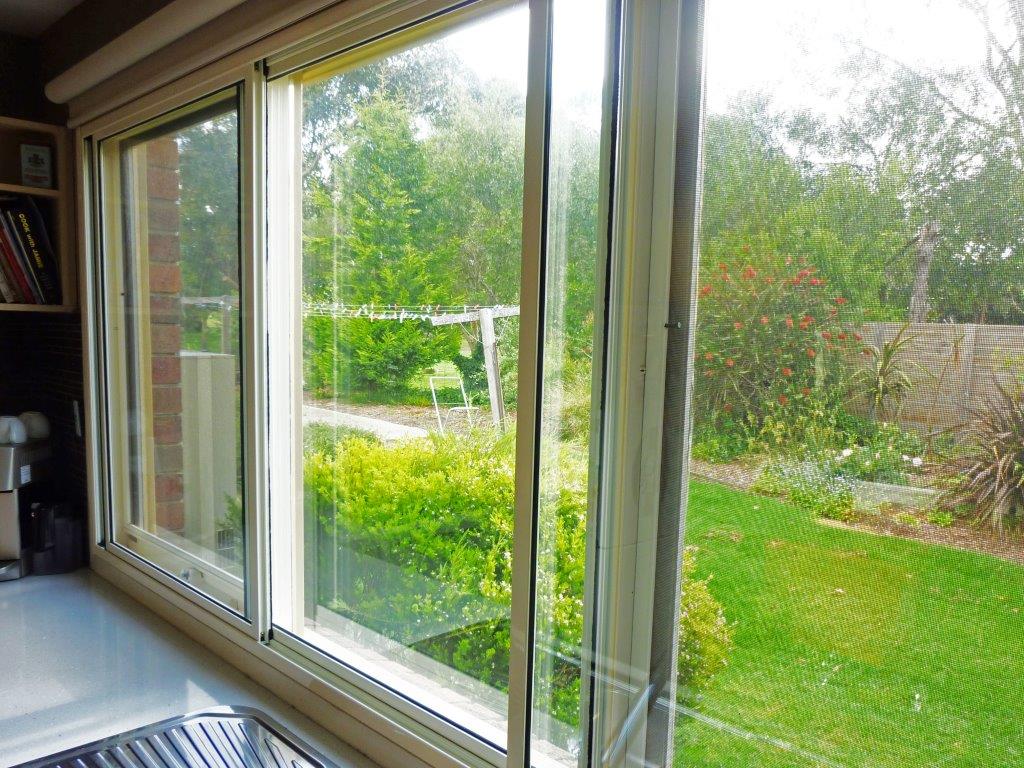
A secondary window is measured and manufactured to fit behind the original window on the inside of the property. The original glass remains in place, while the new panel creates an additional barrier against noise and temperature transfer.
The result is a system with:
- The original external window
- A substantial air gap
- A separate internal glazed panel
- Seals around the secondary window
This approach is also commonly referred to as secondary glazing or add-on double glazing. While the terms may be used differently by some suppliers, they generally describe a system that adds another layer of glazing to an existing window.
Homeowners can learn more about Stop Noise’s retrofit double glazing service and how it can be adapted to different window configurations.
How Does Retrofit Double Glazing Work?
Retrofit double glazing works by making it more difficult for sound and heat to pass through the window area.
Single-glazed windows have only one pane of glass separating the inside of your home from the outside. Sound vibrations and heat can pass through this relatively easily. Gaps around older windows may also allow draughts and noise to enter.
Adding a second, independently framed pane creates an additional obstacle. More importantly, it forms an air space between the two panes.
The air gap helps disrupt sound
Sound travels as vibrations through the air and solid materials. When sound reaches a single-glazed window, it can cause the glass to vibrate and transmit some of that sound into the room.
With retrofit double glazing, sound must travel through the first pane, across the air gap and then through the secondary pane. Each stage reduces the amount of sound energy that reaches the interior.
A wider air space can be especially useful for acoustic performance. Stop Noise systems typically create a gap of approximately 70 to 100 millimetres, depending on the existing window and available space.
The secondary window can also incorporate laminated glass and acoustic seals. These elements help dampen vibrations and reduce sound entering through gaps around the window.
Explore the sound reduction benefits of secondary glazing for more information about acoustic performance.
The second pane improves thermal comfort
The space between the original window and the secondary glazing also acts as an insulating layer. Air is a poor conductor of heat, so the gap can slow the movement of heat through the window.
During winter, this may help keep more warmth inside the home. In summer, it can help reduce heat entering through the windows. This can make indoor temperatures more consistent and reduce how hard heating and cooling systems need to work.
Retrofit glazing may also help reduce draughts when the secondary window is properly sealed. Learn more about the insulation benefits of secondary glazing.
What Happens During Installation?
Retrofit double glazing is custom-made for each property. The process generally involves the following steps.
1. Assessing your windows
The installer examines the condition, material, style and operation of your existing windows. They may also ask about your main concern, such as traffic noise, aircraft, nearby construction, cold rooms or excessive heat.
The direction and frequency of the noise can affect the most suitable glass and glazing configuration. An assessment helps determine whether retrofit double glazing is appropriate for the property.
2. Measuring the window openings
Accurate measurements are taken so the secondary glazing can be manufactured to fit the existing window area. Every panel is made to suit its specific opening rather than using a standard, one-size-fits-all product.
3. Selecting the configuration
The installer recommends the type and thickness of glass, frame design and opening style. The system should provide access to the original window so it can still be opened, operated and cleaned where required.
4. Manufacturing the secondary windows
The frames and glazed panels are made to measure. The frame colour can often be selected to complement the existing windows and interior finishes.
5. Installing the internal glazing
The secondary window is fitted inside the existing window. Because the original window and surrounding structure usually remain in place, installation involves considerably less disruption than removing and replacing the entire window system.
The exact time required will depend on the number, size and style of the windows being upgraded.
Retrofit Double Glazing Versus Replacement Double Glazing
Both systems use two layers of glass, but they are constructed differently.
Replacement double glazing generally involves removing the existing window, including its frame, and installing a new insulated glass unit. The two panes in the replacement unit are sealed together with a relatively narrow cavity between them.
Retrofit double glazing retains the original window and installs an independent window behind it. This produces a much larger gap between the panes, which can be particularly beneficial when external noise is the homeowner’s main concern.
Retrofit double glazing may be the more suitable choice when:
- The existing windows are structurally sound
- Noise reduction is a high priority
- You want to avoid extensive building work
- The home has character or heritage features
- External changes are restricted by an owners corporation
- Full window replacement is outside your budget
- You want to upgrade selected rooms first
Replacement may be necessary if the existing frames are badly damaged, leaking or no longer operating safely. A professional window assessment can help determine which option is appropriate.
What Are the Main Benefits for Homeowners?
Less outside noise
Windows are often one of the weakest acoustic points in a home. Retrofit double glazing can help reduce traffic, trains, aircraft, barking dogs and general neighbourhood activity.
Stop Noise systems can typically reduce perceived noise by approximately 50% to 70%. Actual results depend on the original windows, glass specification, air gap, installation quality and frequency of the noise. No glazing system can promise complete silence, but a properly designed solution can make a noticeable difference.
A more comfortable home
Improved insulation can help reduce cold spots near windows and moderate indoor temperatures throughout the year. Bedrooms, living rooms and home offices may feel more comfortable without relying as heavily on heating or cooling.
Lower disruption
Because the original windows remain in place, there is generally no need to remove external frames, disturb surrounding walls or complete extensive replastering and repainting.
Retention of the home’s appearance
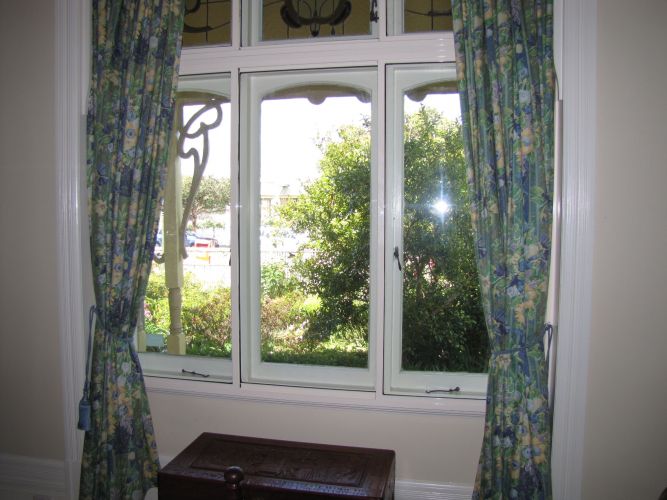
Secondary glazing is fitted internally, so the external appearance of the building remains largely unchanged. This makes it worth considering for period homes, heritage properties and apartments with restrictions on external alterations.
Stop Noise provides systems for a range of residential and specialist property types.
Improved security
An additional internal window provides another physical barrier between the interior and exterior of the property. Lockable secondary panels can make the window area more difficult to access.
A potentially more affordable upgrade
Retrofitting existing windows avoids the cost of manufacturing and installing an entirely new external window system. The final price will depend on the window sizes, styles, glass requirements and number of panels, but it can be significantly more economical than complete replacement.
Can All Existing Windows Be Retrofitted?
Retrofit double glazing can be installed with many aluminium, timber and steel window frames. It can also accommodate common styles such as:
- Sliding windows
- Awning windows
- Double-hung windows
- Hinged or casement windows
- Fixed windows
- Sliding and French doors
Suitability depends on the condition of the original window, the available internal space and how the window needs to operate. An installer should inspect the property before confirming the recommended configuration.
For detailed product and performance information, review Stop Noise’s secondary glazing technical specifications.
Is Retrofit Double Glazing Worth It?
Retrofit double glazing may be a worthwhile investment if your existing windows are in reasonable condition but do not provide the acoustic or thermal performance you need.
It is particularly useful for homes near busy roads, railway lines, flight paths, entertainment precincts or active neighbourhoods. It can also suit homeowners who want better insulation without changing the character of their property.
The best results come from a system designed around the specific window and noise source. Glass thickness, laminate type, air-gap size and seals all influence performance. That is why a custom assessment is preferable to choosing a generic glazing product based on price alone.
Create a Quieter, More Comfortable Home
You do not necessarily need to replace all your windows to gain the benefits of an additional layer of glazing. Retrofit double glazing allows you to keep your existing windows while improving noise reduction, insulation, security and year-round comfort.
Stop Noise has provided made-to-measure soundproofing solutions for Melbourne homes and properties for nearly three decades. Its secondary glazing systems are designed to work with existing windows and minimise disruption during installation.
If noise or uncomfortable temperatures are affecting your home, request a free retrofit double glazing quote. The Stop Noise team can assess your existing windows, discuss the problem you want to solve and recommend a solution suited to your property.
Turn Down the Noise Without Replacing Your Windows
You do not have to live with traffic, trains, aircraft or neighbourhood noise, and you do not need to replace every window to make a noticeable difference. Stop Noise can upgrade your existing windows with custom-made retrofit double glazing designed to create a quieter, more comfortable and better-insulated home.
Take the first step towards a more peaceful home. Request your free, no-obligation quote today and discover the right retrofit double glazing solution for your property.
This entry was posted in Blog on August 29th, 2026 by Ron Adams.