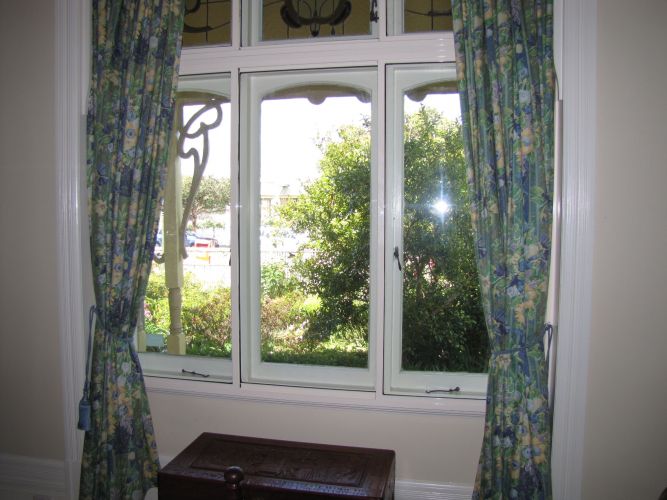
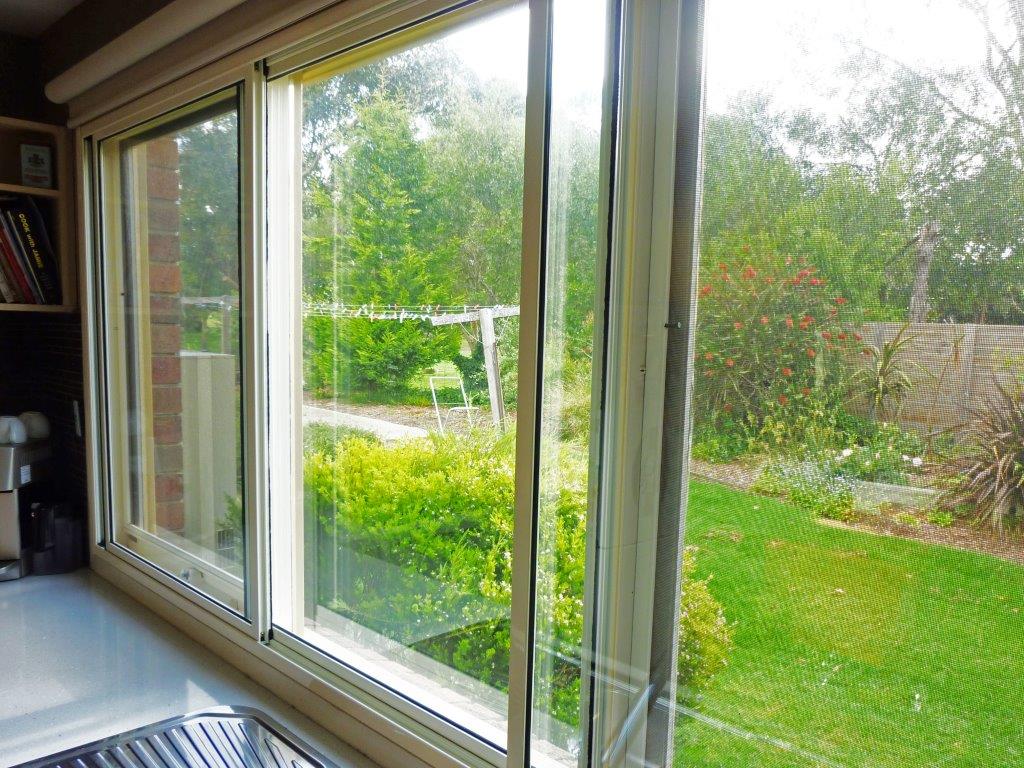
Noise pollution is a common problem in many Australian homes, especially for properties located near busy roads, train lines, schools, or commercial areas. Traffic noise, aircraft, construction, and neighbourhood activity can easily enter through windows and disrupt daily life.
Many homeowners looking for quieter interiors often come across two common solutions. Retrofit double glazing and secondary glazing. Both methods aim to improve sound insulation without replacing the entire window system.
But which one actually works better for reducing noise?
The answer depends on factors such as window design, installation method, and the type of noise you want to block. Understanding how these two solutions work can help you choose the most effective option for your home.
Understanding How Window Noise Reduction Works
Before comparing retrofit double glazing and secondary glazing, we should first understand how sound travels through windows.
Sound moves through vibration. When sound waves hit glass, the glass vibrates and transfers those vibrations into the room. Windows with thin glass or gaps in the frame allow noise to pass through more easily.
Improving window sound insulation typically involves three key principles:
- Adding more layers of glass
- Increasing the air gap between panes
- Sealing gaps around the window frame
Both retrofit double glazing and secondary glazing apply these principles in different ways.
What Is Retrofit Double Glazing?
Retrofit double glazing improves existing windows by adding a second pane of glass to the current window frame. Instead of replacing the entire window unit, the existing frame remains in place while the glazing is upgraded.
This process is often suitable for homes with aluminium, timber, or steel window frames that are still structurally sound.
How Retrofit Double Glazing Works
Retrofit double glazing creates a double-pane window system within the original frame.
Key features include:
- Two panes of glass
- A sealed air gap between panes
- Improved insulation against noise and temperature
The sealed air space helps absorb sound vibrations before they reach the interior of the room.
Noise Reduction Benefits
Retrofit double glazing can significantly reduce common environmental noise such as:
- Traffic from nearby roads
- Distant aircraft noise
- Neighbourhood activity
- Wind noise
Depending on the glass thickness and air gap used, retrofit double glazing can reduce noise levels by 30% to 50% or more.
Advantages of Retrofit Double Glazing
- Maintains the original window appearance
- Improves both noise reduction and thermal insulation
- Permanent upgrade to existing windows
- Often increases property value
Limitations
- Not suitable for damaged or poorly designed frames
- Installation may require modifications to existing windows
- Performance depends on the quality of the retrofit system
What Is Secondary Glazing?
Secondary glazing adds a completely separate window panel on the inside of an existing window. The original window remains untouched, and a new internal frame with glass or acrylic is installed.
This creates a two-window system, with a large air gap between the existing window and the secondary panel.
How Secondary Glazing Works
Secondary glazing forms an additional barrier against noise by introducing another layer of glass.
Typical design features include:
- A separate internal window panel
- A large air cavity between windows
- Sliding or removable panels
Because the air gap can be larger than standard double glazing, secondary glazing can be effective at blocking certain types of noise.
Noise Reduction Benefits
Secondary glazing can reduce noise by 40% to 70%, depending on the design and installation quality.
It works particularly well against:
- High-frequency traffic noise
- Urban street noise
- General environmental sound
Advantages of Secondary Glazing
- Minimal alteration to the original window
- Suitable for heritage properties
- Often quicker to install
- Can achieve strong acoustic performance
Limitations
- Changes the interior appearance of windows
- May reduce window accessibility
- Requires additional cleaning between panels
- Not always a permanent structural upgrade
Retrofit Double Glazing vs Secondary Glazing for Noise Reduction
Both solutions can significantly reduce noise, but they work in slightly different ways.
The right choice often depends on your home, window structure, and noise problem.
| Feature | Retrofit Double Glazing | Secondary Glazing |
| Installation | Added within existing window frame | Separate internal panel |
| Appearance | Maintains original window look | Visible internal panel |
| Air gap size | Moderate | Often larger |
| Noise reduction | Strong reduction | Often very strong |
| Thermal insulation | Excellent | Moderate to good |
| Suitability | Homes with solid frames | Heritage or older homes |
Which One Blocks More Noise?
In many cases, secondary glazing can achieve slightly higher noise reduction because of the larger air gap between the two window layers.
However, retrofit double glazing offers a balanced solution, improving both sound insulation and thermal efficiency while maintaining the appearance of the original window.
Traffic Noise in Urban Homes
Consider a home located near a busy suburban road.
Scenario 1. Retrofit Double Glazing
A retrofit double glazed window with acoustic laminated glass may:
- Reduce traffic noise significantly
- Improve indoor comfort
- Maintain the existing window style
This option works well when the current window frames are strong and in good condition.
Scenario 2. Secondary Glazing
Installing a secondary glazing panel inside the room may:
- Create a large air gap
- Provide stronger sound isolation
- Reduce harsh street noise more effectively
This approach is often used in heritage homes or apartments where original windows cannot be modified.
Other Factors That Affect Noise Reduction
While glazing type matters, several other elements also influence the final acoustic performance.
Glass Thickness
Different glass thicknesses can block different sound frequencies. Acoustic laminated glass is commonly used in noise reduction systems.
Window Sealing
Small gaps around window frames allow sound to enter. Proper sealing and installation are essential for effective noise control.
Frame Quality
Weak or poorly fitted frames can reduce the effectiveness of both retrofit and secondary glazing.
Type of Noise
Low-frequency sounds such as heavy trucks or aircraft require specialised acoustic solutions.
A professional assessment often helps determine the most suitable system.
Choosing the Right Solution for Your Home
The best option for noise reduction depends on your specific situation.
Retrofit Double Glazing May Be Better If:
- Your existing window frames are structurally sound
- You want to maintain the original window appearance
- You also want better thermal insulation
- You prefer a permanent upgrade
Secondary Glazing May Be Better If:
- You live in a heritage or protected building
- Window frames cannot be modified
- Maximum noise reduction is the main goal
- You want a reversible installation
Both options can deliver meaningful improvements when designed and installed correctly.
Improving Home Comfort with the Right Window Solution
Unwanted noise can affect sleep, concentration, and overall comfort at home. Fortunately, modern glazing solutions make it possible to significantly reduce outside noise without completely replacing existing windows.
Retrofit double glazing and secondary glazing each offer unique advantages. Retrofit double glazing provides a long-term upgrade that improves both acoustic and thermal performance. Secondary glazing can achieve strong noise reduction with minimal changes to the original window.
For many homes, the best solution comes from understanding the type of noise problem, the condition of the existing windows, and the level of sound reduction required.
Professional assessment and proper installation play a crucial role in achieving the best results.
When designed correctly, modern glazing systems can transform noisy homes into quieter, more comfortable living spaces.
This entry was posted in Blog on March 18th, 2026 by Ron Adams.