Noise at home rarely shows up all at once. It creeps in. A car here, a dog there, footsteps from upstairs, something humming in the background. At first it’s manageable. Then one day it isn’t.
Most people try to fix it piece by piece. A thicker curtain. A rug. Maybe a white noise app. Some of those help, a little. But if the goal is a noticeably quieter home, the approach needs to be more direct.
This guide breaks down what actually makes a difference, especially in homes dealing with constant outside noise.
Where Noise Really Comes From
Before fixing anything, it helps to know what kind of noise is the problem. Not all sound behaves the same way.
External noise
- Traffic and road vibration
- Trains or trams
- Neighbours, foot traffic, general street activity
Internal noise
- Footsteps from upper floors
- Plumbing and appliances
- Echo within large or empty rooms
External noise is usually harder to deal with. It enters through structural weak points, mainly windows, doors, and gaps.
Internal noise tends to bounce around surfaces. That’s more about how sound behaves inside the room.
Different problems. Different fixes.
Why Windows Are the Biggest Weak Point
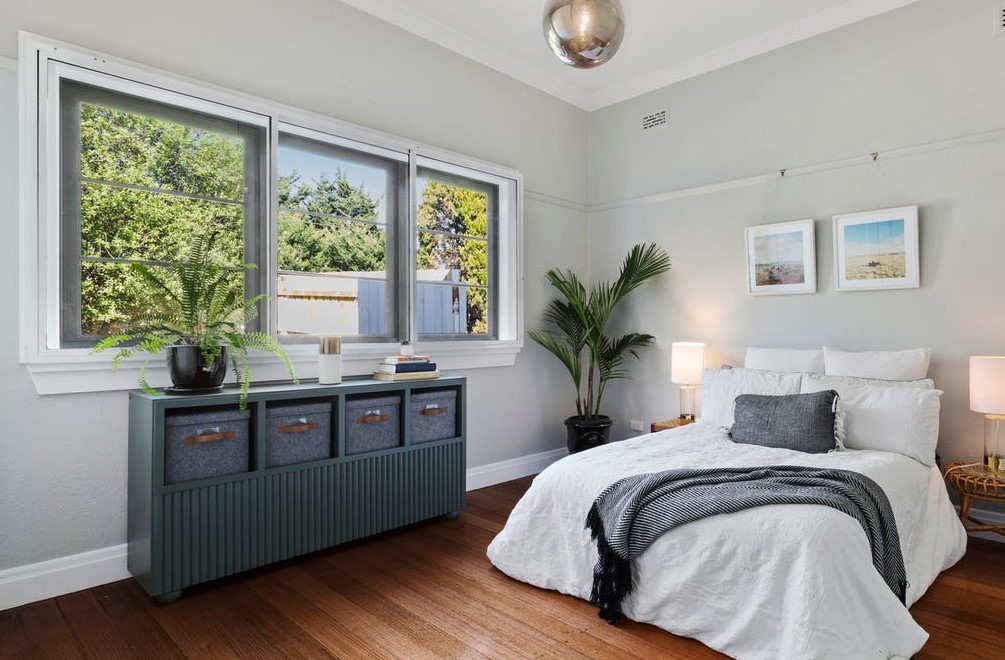
Walls get most of the credit for keeping a home quiet. In reality, windows do most of the work, or fail to.
Single-pane glass is thin and vibrates easily. When sound hits it, that vibration carries through to the inside. That’s why even a well-built home can still feel noisy if the windows aren’t doing their job.
This is especially noticeable in:
- Homes facing main roads
- Properties near public transport lines
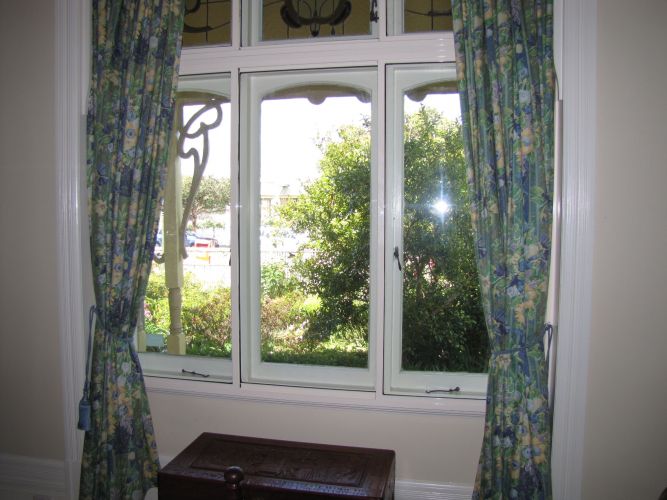
- Older houses with original windows
If outside noise is the issue, windows are usually the first place to look.
The Most Effective Way to Block Outside Noise
There’s no shortcut here. If sound is entering through glass, the solution needs to involve the glass.
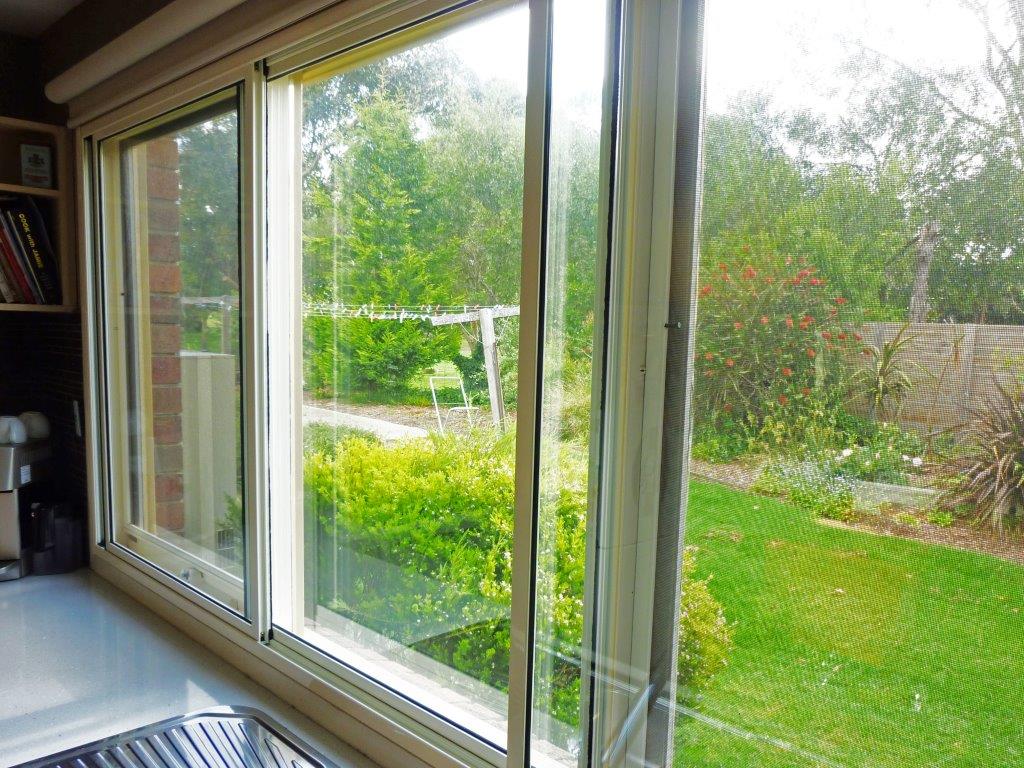
Double glazing or secondary glazing
Adding a second pane creates a barrier. Sound has to pass through multiple layers, losing energy along the way.
This can be done by:
- Retrofitting double glazing into existing frames
- Installing a secondary glazing panel inside
- Using acoustic glass for higher performance
The difference isn’t subtle. Traffic noise softens. Background sounds fade. The space feels more controlled.
Sealing gaps properly
Even small gaps around windows and doors can let in a surprising amount of sound.
Focus on:
- Window seals
- Door frames
- Gaps around fittings or vents
Sealing doesn’t solve everything, but it supports the main upgrade.
What Helps Inside the Home (and What Doesn’t)
Once outside noise is reduced, internal acoustics become more noticeable. This is where softer solutions start to matter.
What actually helps
- Thick rugs on hard floors
- Upholstered furniture
- Curtains with some weight
These absorb sound and reduce echo. They don’t block external noise, but they make the space feel quieter.
What gets overestimated
- Foam panels on walls
- Decorative acoustic tiles
- Lightweight curtains
These can reduce echo slightly, but they won’t stop sound from entering the home.
There’s a difference between sound absorption and sound blocking. Most quick fixes only do the first.
Dealing with Noise Between Rooms
Noise inside the home often travels through walls, floors, and ceilings.
Common issues include:
- Footsteps from upstairs
- Voices carrying between rooms
- TV or music noise spreading
Practical ways to reduce it
- Add underlays beneath flooring to soften impact noise
- Use door seals to reduce sound leakage
- Rearrange furniture to break up direct sound paths
Full soundproofing between rooms requires structural changes, which isn’t always practical. But small adjustments can still reduce the impact.
The Role of Doors in Noise Control
Doors are often overlooked. Hollow-core doors, in particular, offer very little resistance to sound.
Upgrading to solid-core doors can make a noticeable difference, especially for internal noise.
Other simple improvements:
- Add door seals or draft blockers
- Ensure the door fits properly within the frame
Again, these won’t eliminate noise, but they help contain it.
Managing Expectations. What “Quiet” Really Means
A completely silent home is unrealistic, especially in a busy area. The goal isn’t total silence. It’s reducing noise to a level where it stops being intrusive.
That usually means:
- Background noise becomes less noticeable
- Sudden sounds feel less sharp
- Sleep and daily activities are less disrupted
The shift is more about comfort than silence.
Common Mistakes That Waste Time and Money
A lot of effort goes into solutions that don’t address the main problem.
Some of the most common missteps:
- Focusing only on soft furnishings while ignoring windows
- Buying DIY soundproofing products that don’t block real noise
- Treating echo and external noise as the same issue
These approaches can make a space feel slightly better, but they won’t solve persistent noise problems.
A Smarter Way to Approach Noise Reduction
Trying to fix everything at once rarely works. A more effective approach is to focus on priority areas.
Start with:
- The noisiest room in the house
- The main source of noise (usually windows)
- Upgrades that directly block sound rather than soften it
Once the biggest issue is addressed, smaller improvements can follow.
This step-by-step approach avoids unnecessary work and leads to better results.
When to Bring in Specialists
Some noise problems are straightforward. Others aren’t.
It makes sense to get professional advice when:
- Noise levels are consistently high
- Previous attempts haven’t worked
- The source of the noise isn’t clear
Specialists can assess how sound is entering and recommend solutions that match the situation. Not every home needs the same setup.
Where to Go From Here
Reducing noise at home isn’t about one quick fix. It’s about targeting the points where sound actually gets in and dealing with those first.
Start by looking at your windows. That’s usually where the biggest gains are made. From there, layer in smaller changes that improve how sound behaves inside the space.
The difference builds over time. And once the noise drops to a manageable level, the whole home starts to feel different. Quieter, more settled, easier to live in.
This entry was posted in Blog on April 20th, 2026 by Ron Adams.